
“Many don’t want to accept the general conditions inherent to an academic career”
Muriel Riesen of the National Qualification Programme (BNF) helps university graduates to find the right job. We’ve interviewed her to find out how she does it.
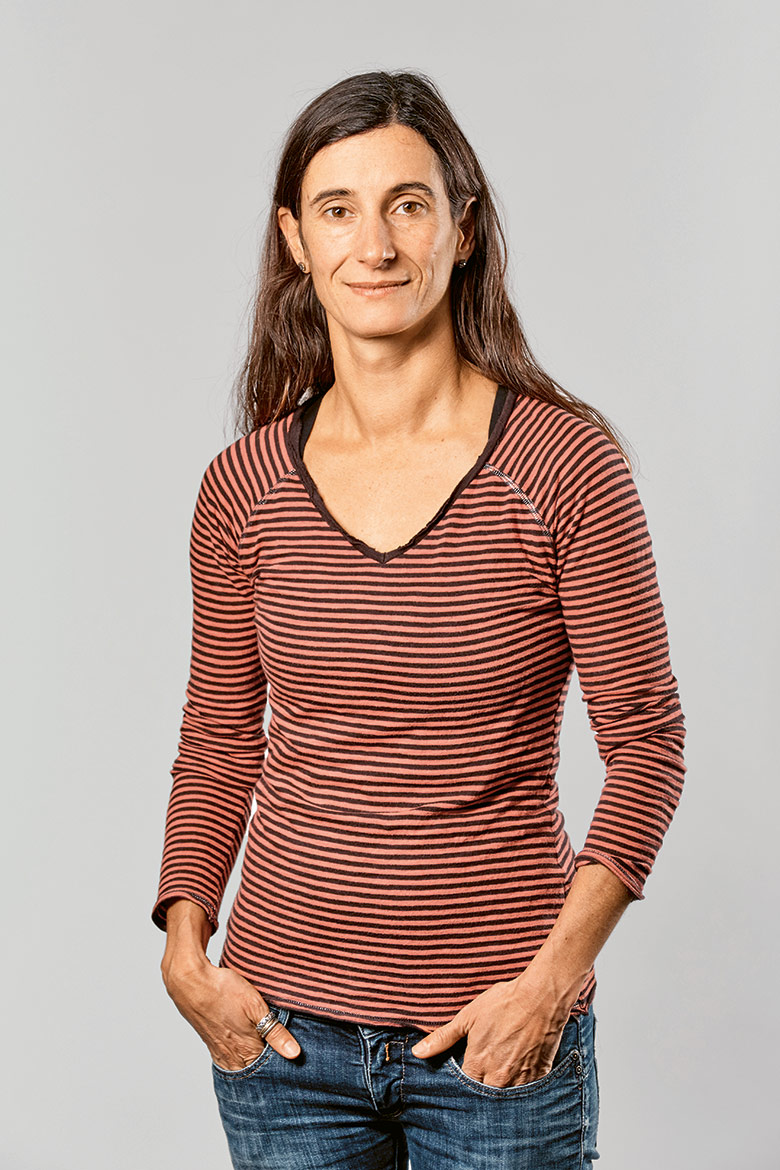
Muriel Riesen runs the Bern office of the Swiss National Qualification Programme (BNF), which is based at the University of Bern but is largely financed by the Swiss State Secretariat for Economic Affairs. | Photo: zVg
They’ve got a university degree, but no job. Perhaps they want to change track, or they’ve only got a Master’s from abroad, or they’ve done a postdoc but haven’t got the necessary work experience. It’s to scholars like these that Muriel Riesen of the Swiss National Qualification Programme (BNF) can offer advice, courses and internship projects.
Muriel Riesen, what did your career look like before you became an advisor at the BNF?
I originally studied environmental and cultural psychology at the University of Bern. I was devoid of any direction after getting my Bachelor, so I registered with the regional job centre (RAV). I took a job at the post office, then ended up working for a small business consulting company. After that, I worked for an incentive programme similar to the BNF before taking up my current position eleven years ago.
Do people often become desperate when they’re trying to find a job?
I recently bought these [points to a box of tissues]. Sometimes tears really do flow when I’m in a counselling session. People might have had a bad experience with their last employer, or they’re struggling to find a job that matches their ideals. Others will have lost their job for reasons of ill health.
How can you help them?
It’s usually not difficult for me to convey a sense of confidence when I’m talking with people. After all, I’m well aware that 70 to 80 percent of people will find a job – either while they’re getting support from us, or shortly afterwards. We’re in constant dialogue with jobseekers and project partners, so we know the labour market very well. Many of those who participate in our programme don’t want to accept the general conditions inherent to an academic career, but they still want to continue their research in a permanent position. And offers like that are naturally a rare occurrence.
Which are the hardest cases to help?
Those who feel themselves to be victims – whether at the hands of their previous employer, the job centre or the job market. People like that are stuck in the past.
Who would you prefer to work with if you had the choice?
Not necessarily the easy cases. It’s nicest when you’re able to help someone who’s in a difficult position at the start – such as when you manage to find an immigrant their first job that’s appropriate to what they’ve studied. The easiest people to advise are those in whom it’s obvious what they still lack – such as project management skills. They can catch up with those in six months. Then there’s those who simply lack a little self-confidence.
How can people register for an advice session with you?
It’s RAV, the job centre, that decides who can come to us. We also work with the social services of the disability insurance system and with refugee organisations. Many people are unaware of the BNF because we don’t advertise our services.